How a Lumber Stacker Improves Workflow in High-Volume Woodshops
Wiki Article
Discover the Vital Woodworking Equipment That Every Artisan Requirements for Accuracy and Efficiency
In the domain name of woodworking, the right equipment is important for attaining both precision and performance. Craftsmen depend on necessary devices like the table saw and miter attended execute tidy cuts. Band saws include convenience, while routers and planers improve information and surfaces. Each maker plays an essential duty in the workshop. Comprehending their features can substantially improve a craftsman's capability. Yet, the trip into woodworking machinery does not stop right here.Table Saw: The Heart of Every Workshop
The table saw stands as the foundation of any woodworking workshop, personifying both accuracy and flexibility. This vital maker enables artisans to make straight cuts with exceptional accuracy, creating the basis for numerous projects. Geared up with a round blade mounted on an arbor, the table saw permits customers to adjust the depth and angle of cuts, suiting different materials and densities.Its durable layout sustains large workpieces, making it optimal for ripping lumber and cross-cutting panels. Furthermore, the table saw typically features a fencing system, making sure directly, repeatable cuts, which is crucial for accomplishing uniform dimensions. Security functions, such as blade guards and riving knives, improve the total customer experience, decreasing the danger of crashes.
Fundamentally, the table saw is not simply a tool; it is the heart of the workshop, encouraging artisans to bring their visions to life with skill and precision.
Miter Saw: Accuracy Angles Made Easy
Miter saws offer craftsmen with the ability to make specific angled cuts with convenience, an essential facet for many woodworking tasks. These tools are especially preferred for their accuracy in crosscuts and miter cuts, permitting woodworkers to attain ideal angles swiftly. With flexible setups, miter saws accommodate numerous degrees, allowing the production of elaborate designs and exact joints for frameworks, moldings, and furniture.The majority of miter saws come furnished with a durable blade that assures clean cuts, reducing the need for additional sanding or completing. The straightforward layout enables quick arrangement and changes, making it excellent for both novices and skilled professionals.
Additionally, the mobility of many versions improves their charm, enabling artisans to work on-site or in confined spaces. In general, a miter saw is a crucial tool in any kind of woodworking arsenal, supplying the precision and effectiveness needed for premium craftsmanship.
Band Saw: Convenience for Various Cuts
The band saw attracts attention in woodworking for its amazing adaptability, suiting different cutting strategies. This section will explore the different kinds of band saws available, highlight their essential attributes, and offer crucial upkeep tips for peak efficiency. Comprehending these aspects will allow artisans to maximize the performance of their band saws in diverse jobs.Types of Band Saws
Band saws are a staple in woodworking, using an impressive variety of reducing abilities that accommodate numerous jobs. There are numerous sorts of band saws, each made for details tasks. The vertical band saw is excellent for intricate cuts and resawing, permitting woodworkers to create rounded shapes and precise joints. On the other hand, the horizontal band saw excels in cutting bigger items of material, making it ideal for industrial applications. Portable band saws offer adaptability for on-site jobs, while the benchtop variation provides a portable option for smaller sized workshops. Each type serves a distinctive function, making sure that craftsmen can choose the appropriate tool for their details cutting requirements, improving both precision and efficiency in their woodworking endeavors.Secret Includes Explained
Convenience stands out as a specifying attribute of band saws, permitting woodworkers to tackle a broad selection of reducing jobs effortlessly. These machines stand out in making straight cuts, rounded cuts, and detailed shapes, that makes them essential for numerous woodworking tasks. The flexible blade tension and variety of blade sizes boost their versatility, making it possible for artisans to change in between cutting thick lumber and delicate veneer. Furthermore, band saws commonly include flexible reducing heights and widths, giving adaptability in suiting different products. The capacity to execute resawing additional rises their energy, allowing individuals to create thinner boards from thicker stock. Generally, the band saw's combination of precision and adaptability makes it an essential device in any woodworker's workshop.Upkeep Tips and Techniques
Keeping a band saw is important for guaranteeing perfect efficiency and durability. Consistently inspecting blade stress is essential, as incorrect stress can lead to imprecise cuts and premature wear. Furthermore, keeping the blade clean stops resin build-up, which can affect reducing effectiveness. Lubing the bearings and wheels minimizes Go Here friction and prolongs the life expectancy of the saw. It is likewise essential to inspect and align the blade overviews on a regular basis to preserve straight cuts. Changing broken or used blades quickly boosts both safety and security and efficiency. Lumber Stacker. Making sure the band saw is saved in a dry atmosphere safeguards it from corrosion and corrosion, making it ready for accuracy reducing whenever needed. These maintenance practices will maintain a band saw operating efficiently and efficiently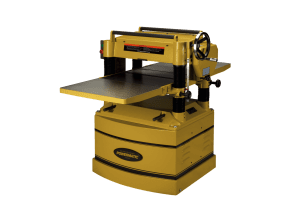
Router: Describing and forming Woodwork
The router stands as an essential tool in the woodworking arsenal, understood for its capacity to form and detail wood with accuracy. This functional equipment uses a spinning little bit to sculpt complex layouts, grooves, and sides, making it vital for both decorative and useful applications. Woodworkers make use of routers for tasks such as hollowing out areas, developing accounts, and including ornamental sides to furniture pieces.With various add-ons and little bits offered, the router can produce an array of effects, from basic round-overs to complicated inlays. It accommodates both portable and table-mounted arrangements, improving its usability across various jobs. The rate and control supplied by routers enable craftsmen to carry out fragile job with simplicity, making them a favorite for detailed styles. Ultimately, a router enhances the innovative possibilities in woodworking, allowing artisans to attain the comprehensive finishes that raise their craftsmanship to the next degree.
Planer: Getting Smooth and Also Surface Areas
Woodworkers looking for to refine their jobs typically transform to the planer, a crucial device for achieving smooth and even surface areas. This machinery excels at getting rid of material from the surface area of wood boards, making sure a consistent thickness and eliminating blemishes. By making use of sharp blades and exact settings, the planer can transform harsh lumber right into sleek and completely flat surface areas, boosting the total aesthetic and functionality of the workpiece.Planers are available in numerous kinds, including portable and fixed models, satisfying different workspace demands and job needs. The versatility of the planer enables woodworkers to tackle a range of jobs, from great furnishings making to large kitchen cabinetry. Routine upkeep, such as blade cleansing and honing, is crucial for peak efficiency and long life. Inevitably, the planer is a basic possession in any kind of woodworking shop, equipping craftsmen to achieve professional-quality results constantly.
Jointers: Perfecting Wood Edges for Seamless Joints
Jointers play an essential function in woodworking by ensuring that sides are completely straightened for smooth joints. Various kinds of jointers site here cater to different demands and preferences amongst artisans, each offering distinct attributes and capabilities. Correct upkeep of these machines is crucial for accomplishing peak efficiency and longevity.Sorts of Jointers
Accuracy is vital in woodworking, specifically when it comes to attaining seamless joints. Jointers been available in various kinds, each developed to satisfy certain requirements and preferences of craftsmen. One of the most usual type is the conventional jointer, including a flat table and a cutter head that enables effective edge flattening. For those needing transportability, the benchtop jointer supplies a portable service without giving up functionality. The larger, industrial jointers provide enhanced power and efficiency, making them appropriate for high-volume tasks. In addition, spiral jointers feature helical cutter heads that decrease tear-out and supply smoother coatings. Comprehending the different kinds of jointers makes it possible for craftsmen to choose the ideal devices for their jobs, guaranteeing precision and top quality in every joint.Jointers Upkeep Tips
Just how can artisans assure the durability and effectiveness of their jointers? Routine maintenance is important. Initially, they need to keep the jointer tidy, removing sawdust and debris that can impact efficiency. Checking and adjusting the blades for sharpness is necessary, as dull blades can lead to poor cuts. Craftsmen must additionally check the infeed and outfeed tables for monotony, guaranteeing they are lined up appropriately. Lubricating relocating parts assists maintain smooth operation and decreases wear. Furthermore, it is suggested to occasionally examine the motor and electrical components for any type of indications of wear or damage. Saving the jointer in a dry setting secures it from rust and deterioration, further expanding its life expectancy and maintaining its accuracy.Dirt Collection System: Maintaining a Tidy Workspace

Various options are available, varying from portable dirt collectors to central systems that link to multiple devices. Selecting the best system depends upon the range of the workshop and the sorts of equipment used - Automated Gluing. Regular maintenance, such as cleansing filters and examining for clogs, assurances peak performance
Frequently Asked Concerns
What Safety and security Devices Do I Required for Woodworking Equipment?
view website To guarantee security while using woodworking equipment, individuals need to put on safety goggles, ear security, dirt masks, and gloves. Additionally, a very first help set and fire extinguisher should be conveniently easily accessible in the workshop.Just how Do I Maintain My Woodworking Machinery for Longevity?
Regular upkeep of woodworking equipment involves cleansing, oiling moving parts, checking for wear, and tightening up loosened parts. Adhering to supplier standards and scheduling routine inspections warranties peak efficiency and extends the life expectancy of the tools.What Sorts of Timber Are Best for Beginners?
Softwoods like want, cedar, and fir are perfect for novices as a result of their workability and price. These timbers are less complicated to reduce, form, and surface, making them best for preliminary woodworking tasks and skill development.Can I Use Woodworking Machinery for Other Products?
Yes, woodworking equipment can be made use of for other products such as plastics, composites, and soft metals. It's important to readjust devices and setups appropriately to ensure peak efficiency and prevent damage to both equipment and products.
Exactly how Do I Pick the Right Blade for My Saw?
Choosing the appropriate blade for a saw entails taking into consideration product kind, thickness, and preferred cut finish. Blade teeth count and geometry additionally play essential duties, making sure peak performance for specific woodworking or reducing tasks.Miter saws give artisans with the capacity to make precise tilted cuts with convenience, an essential element for several woodworking projects. Band saws are a staple in woodworking, offering an exceptional variety of reducing capacities that cater to numerous jobs. The upright band saw is perfect for elaborate cuts and resawing, allowing woodworkers to produce bent shapes and exact joints. These makers stand out in making straight cuts, curved cuts, and complex shapes, which makes them crucial for various woodworking projects. Making sure the band saw is saved in a dry atmosphere safeguards it from rust and deterioration, making it all set for precision reducing whenever needed.
Report this wiki page